Two Wartime Videos, one Battlespace
Two wartime videos. Two propaganda languages. One polished and state-centered, the other mythic and identity-driven. Different aesthetics, same strategic aim: to shape perception, steer emotion, and compete over meaning long before facts are weighed in depth.

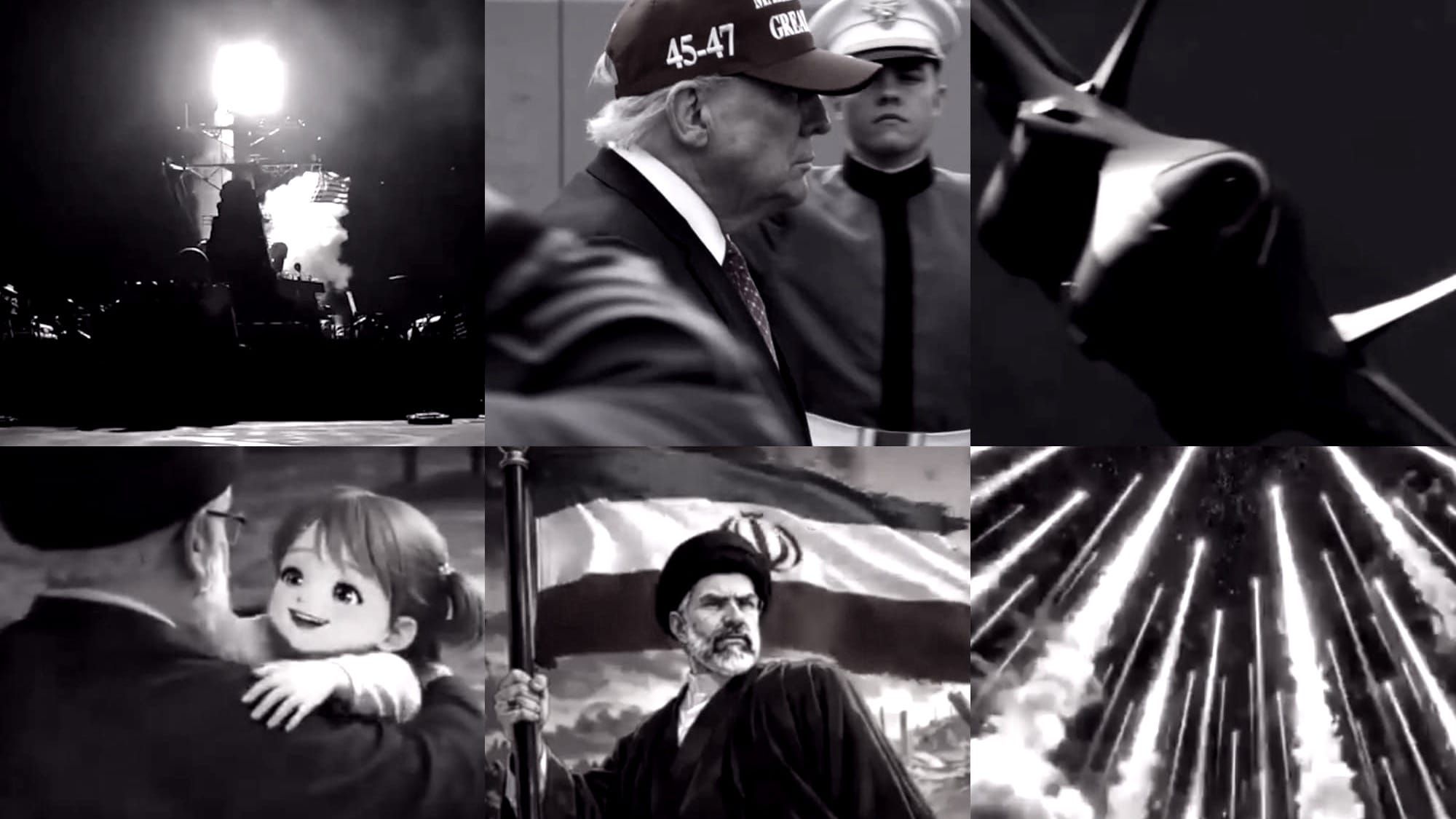
Sometimes a comparison presents itself without warning.
Two wartime videos appeared in my feed almost back to back. One, circulated through White House channels, adopted a polished, Top Gun-like aesthetic: speed, control, high production value, and cinematic confidence. The other, linked to Khamenei and shared through a BRICS-related channel, leaned into anime-style visual language: stylised struggle, moral intensity, and emotionally charged symbolism. On the surface, they seemed to belong to different political universes. On closer inspection, they looked like two different propaganda languages operating inside the same wider battlespace.
They were not simply media products released during wartime. They were wartime propaganda videos, designed to shape perception before slower judgment begins.